Local Community in Mosul, Iraq
Al-Hadba University: Rooted in the Heart of Nineveh
Introduction to Mosul
Mosul, the historic capital of Nineveh Province, is a city of unparalleled cultural richness and resilience. Known as “Um al-Rabi’ain” (the City of Two Springs) for its temperate climate, Mosul has long been a crossroads of civilizations, religions, and traditions. Today, its diverse community—Arabs, Kurds, Yazidis, Turkmen, and Christians—works tirelessly to rebuild and reimagine the city after years of conflict.
At Al-Hadba University, we are proud to be an integral part of this revival, fostering education, innovation, and social cohesion in partnership with Mosul’s people.
Key Features of Mosul’s Community
- Cultural Heritage & Craftsmanship
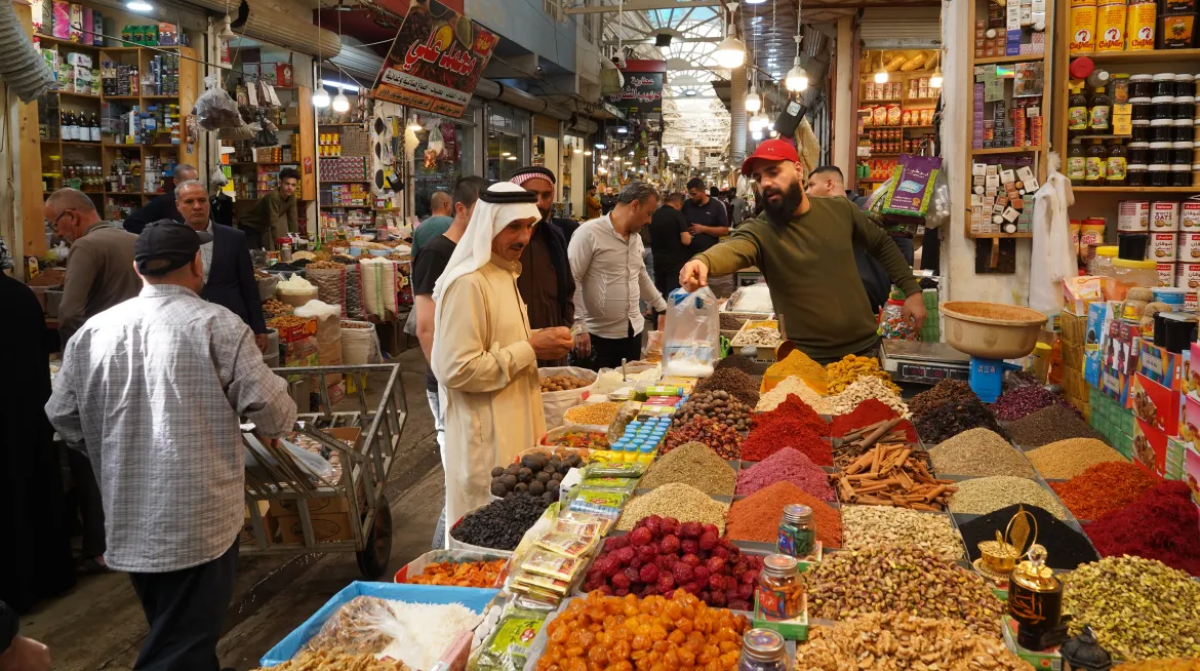
- Historic Markets: The bustling souqs of the Old City, like Al-Saray Market, are hubs of commerce and craftsmanship, where artisans produce traditional goods such as Mosul marble, handwoven textiles, and copperware.
- Religious Diversity: Mosul is home to ancient churches (e.g., St. Paul’s Church), mosques (e.g., Al-Nuri Mosque, undergoing UNESCO-led reconstruction), and Yazidi temples, symbolizing centuries of coexistence.
- Education & Youth
- A growing number of youth-led initiatives, such as Mosul Space and Mosul Eye, are driving cultural and technological innovation. Al-Hadba University collaborates with these groups to empower students through workshops, internships, and community projects.
- Rebuilding & Resilience
- NGOs and local organizations are restoring homes, schools, and hospitals. The university supports these efforts through engineering, urban planning, and public health programs.
Al-Hadba University’s Role in the Community
- Community Engagement:
- Hosting public lectures, cultural festivals, and art exhibitions that celebrate Mosul’s heritage.
- Partnering with local businesses to provide student internships and entrepreneurship opportunities.
- Social Impact:
- Medical students volunteer at clinics serving displaced families.
- Architecture students contribute to historic preservation projects in the Old City.
- Research for Mosul
- Faculty and students conduct studies on sustainable agriculture, water management, and post-conflict recovery, directly addressing local challenges.
Start-Up Businesses
The University is committed to supporting start-up businesses by providing comprehensive assistance that includes both financial support and access to subject-matter expertise. Through this initiative, entrepreneurs and innovators can benefit from the University's resources and knowledge base to develop and grow their ventures, fostering economic development and innovation within the local community.
Supporting Financially and Socially Sustainable Businesses
The University actively supports the establishment of financially and socially sustainable businesses in the local community through:
- Relevant Education Programs: Tailored courses and workshops on entrepreneurship, business development, financial literacy, and sustainable business practices that equip aspiring entrepreneurs with the necessary skills and knowledge.
- Mentorship Programs: Experienced faculty members, successful alumni, and industry professionals provide one-on-one guidance and ongoing mentorship to start-up founders, helping them navigate challenges and make informed decisions.
- Resource Provision: Access to business incubators, co-working spaces, technology infrastructure, research facilities, and networking opportunities that enable start-ups to develop and scale their operations.
- Financial Support: Seed funding, grants, and connections to potential investors and funding sources to help viable businesses secure the capital needed for growth.
Contribution to Ending Poverty
The University recognizes that poverty is a multifaceted challenge requiring sustained, collaborative action. As part of its commitment to the United Nations Sustainable Development Goals, particularly SDG 1 (No Poverty), the University has implemented the following policies and initiatives:
- Community Economic Empowerment: By supporting sustainable start-ups and small businesses, the University creates employment opportunities and promotes economic self-sufficiency within disadvantaged communities.
- Educational Access and Scholarships: Providing financial aid, scholarships, and flexible learning pathways to students from low-income backgrounds, ensuring that economic barriers do not prevent access to higher education and improved life prospects.
- Research and Knowledge Transfer: Conducting research on poverty alleviation, social inequality, and sustainable development, and translating findings into practical interventions and policy recommendations that benefit local and regional communities.
- Partnerships and Outreach: Collaborating with local government, non-profit organizations, and community groups to deliver programs addressing food security, housing, healthcare access, and skills training for marginalized populations.
Through these integrated efforts, the University strives to be a catalyst for positive social change, contributing meaningfully to poverty reduction and the creation of resilient, inclusive communities.
Cultural Highlights
- Mosul’s Cuisine: Famous for dishes like kubba Mosuli (spiced meat-filled dumplings) and lahm bi’ajeen (flatbread with minced meat), reflecting the city’s agricultural abundance.
- Festivals: Annual events like the Nineveh Spring Festival showcase traditional music, dance, and poetry, with participation from university students and staff.
Quotes from the Community
“Mosul isn’t just a city—it’s a story of survival and hope. At Al-Hadba University, we’re writing the next chapter together.”
— Dr. Ahmed Taha, Professor of History and Mosul native
“The university gave me the skills to rebuild my home and my future.”
— Rana Mahmoud, Civil Engineering Graduate
Call to Action
Join Us in Shaping Mosul’s Future
- Volunteer: Participate in community service programs.
- Donate: Support scholarships for Mosul students.
- Collaborate: Partner with the university on research or cultural projects.